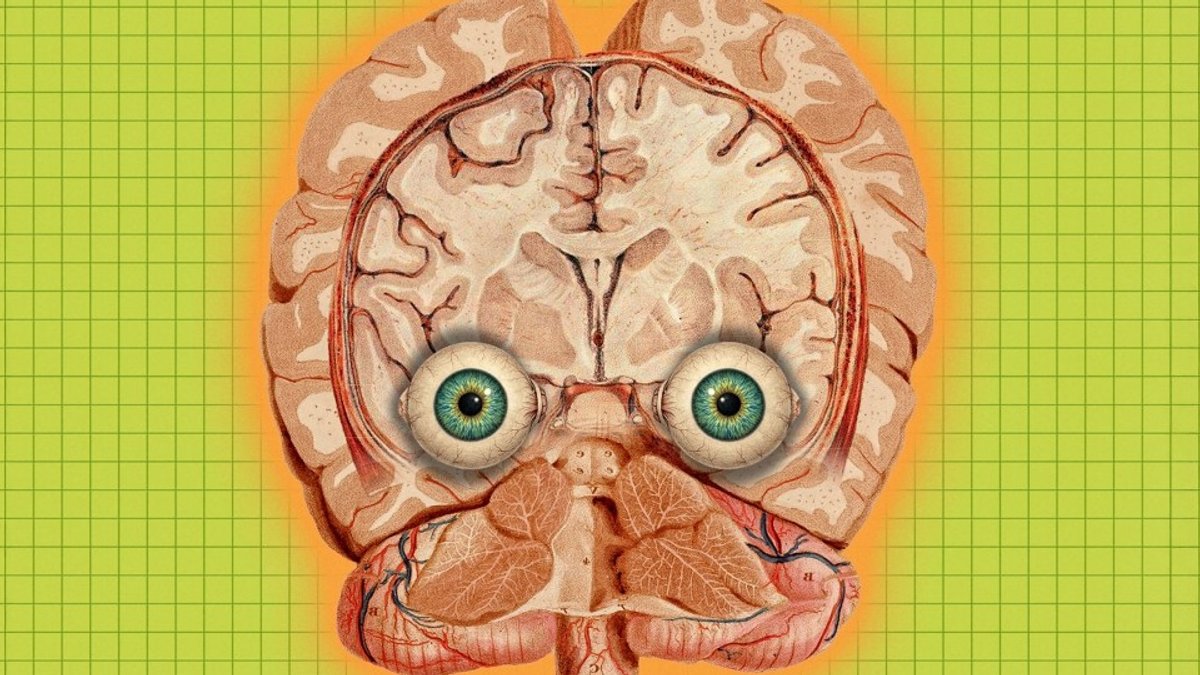
Six ways to preserve a mind—from freezing brains to cloud backups
Read Also: Brain implant trial volunteers seek more autonomy
In late 2023, a writer documented their exploration of extreme methods designed to extend human consciousness beyond biological decay. Their investigation uncovered six distinct approaches, each with differing levels of scientific backing. The central inquiry persists: Can technology ever truly capture the essence of an individual’s identity before it vanishes? The most radical proposal is cryonics, where a deceased brain is preserved in liquid nitrogen with the hope that future medical breakthroughs might restore it. Researchers insist revival remains theoretical, as no successful resurrection has ever been achieved. A second approach, neuroaugmentation, seeks to enhance living brains through neural implants to combat cognitive decline. One photographer who underwent the procedure described it as “a glitchy upgrade”—not a permanent fix, but a temporary cognitive boost. Uploading our memories to the cloud offers another potential avenue. A hematologist specializing in neurological treatments led a team that scanned brain activity to reconstruct past experiences. While the results were fragmented, they claimed to recreate a patient’s childhood memory with 70% accuracy. However, cloud-based backups introduce significant ethical concerns. Critics warn that bad actors can misuse them, while supporters argue they prevent a handful of companies from controlling the technology. The debate, however, is more complicated than it seems. Brain emulation, simulating an entire neural network on a computer, remains purely speculative. A physicist involved in the project estimated it would require exascale computing power, a capability currently beyond existing technology. Meanwhile, consciousness transfer, which involves copying a mind into a synthetic body, is widely dismissed as science fiction by neuroscientists. The practicality of these methods varies dramatically. Cryonics and neuroaugmentation have small but dedicated followings, whereas digitization and emulation lack clear technical roadmaps. Yet the debate transcends technical feasibility. If a mind could be preserved, would the resulting entity still be the original person? The ethical and philosophical implications remain unresolved. —
Open AI models face a cybersecurity reckoning
Read Also: COP31 climate talks begin in Turkey
A new report from Anthropic identifies significant cybersecurity risks posed by Z.ai’s latest open-source AI model. The model, available for free download and modification, has sparked concerns about potential misuse by malicious actors. The report argues its capabilities could enable coordinated cyberattacks if exploited. The controversy over open AI models has intensified in recent months. Opponents contend unrestricted access lowers security standards, while proponents argue it prevents monopolistic control over AI development. This tension reflects broader concerns about global AI governance. Critics warn that bad actors can misuse them, while supporters argue they prevent a handful of companies from controlling the technology. The debate, however, is more complicated than it seems. Anthropic’s findings highlight a core dilemma: balancing openness with security. The model’s design allows for rapid innovation, but its accessibility weakens defensive measures. Critics warn that bad actors can misuse them, while supporters argue they prevent a handful of companies from controlling the technology. The discussion now extends into legal and regulatory territory. The debate, however, is more complicated than it seems. The outcome may depend on whether collaboration or competition shapes the future of AI development. —
Anthropic’s full report on Z.ai’s model is available through their research hub. Additional coverage of brain emulation, including its technical and ethical challenges, can be found in MIT Technology Review’s 2023 analysis.


