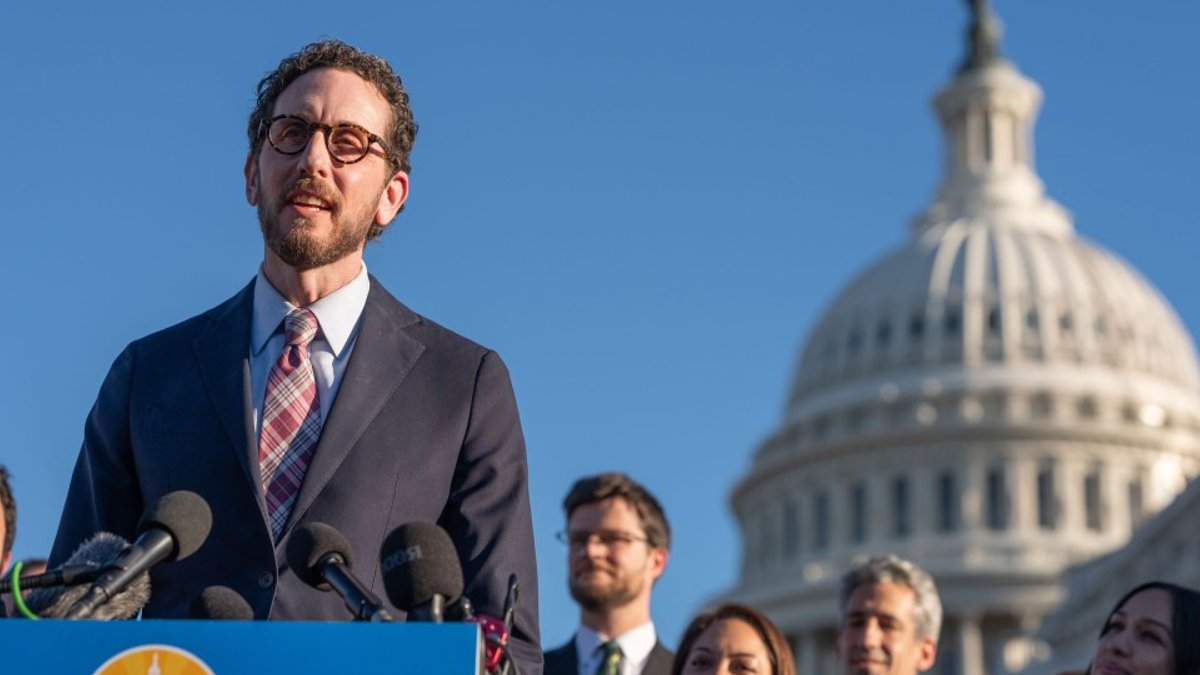
Scott Wiener, the newly elected member of Congress from California, now holds a position where he can influence federal artificial intelligence policy at a time when concerns about AI’s rapid development are intensifying. His election to replace Nancy Pelosi in San Francisco occurs as lawmakers debate whether Congress can respond quickly enough to regulate AI before potential risks worsen.
Wiener’s focus on AI risks began before his congressional victory. As a California state senator, he introduced SB 1047, legislation aimed at addressing advanced AI dangers, which was vetoed by Governor Gavin Newsom in 2024. He later pushed through SB 53, a more limited version that still shaped federal discussions. With his election, Wiener’s influence may now extend from state legislatures to the U.S. Capitol.
The urgency of his role was shown just days before his victory when a report from the nonprofit METR suggested Anthropic might have achieved recursive self-improvement, a phenomenon in which AI meaningfully contributes to its own advancement and AI progress potentially spins out of control. Wiener called the development “very concerning,” stating that Congress is falling behind in addressing these threats.
“We’re in a moment that is very dangerous in terms of the risk of loss of control over AI,” he told me. His warnings highlight a growing split between AI safety advocates and broader public priorities. The fact that voters approved 40 out of 41 anti-data-center ballot measures on Tuesday might seem to be a good sign for Wiener and others who support AI regulation, but Wiener says he sees this movement as far more tied to local concerns than to bigger questions about AI risk.
Read Also: Humanoid Robot Cleans Apartment, Samsung Expands AI Chip Production
Wiener’s proposed federal AI policy rests on establishing a dedicated regulatory body, implementing whistleblower protections, and requiring mandatory kill switches for high-risk systems. He supports Representative Ro Khanna’s push to create a federal AI oversight agency but opposes broad federal preemption of state laws. “You want the states to be able to continue to be nimble in ways that Congress sometimes is not,” he says. Above all, Wiener says, he wants Congress to pass policies with real teeth.
His path faces challenges. Wiener acknowledges Congress’s inconsistent record on technology regulation and the uncertainties of a potential Donald Trump presidency. Trump has called concerns about catastrophic AI risk a “hoax” in September and demonstrated a stark unwillingness to collaborate with China, a stance Wiener sees as counterproductive.
Wiener rejects this claim, pointing to his record as a regulator, including bills passed despite industry opposition, as proof of his independence.
Wiener says that if Congress forms a select committee on artificial intelligence, he’d be eager to serve.


