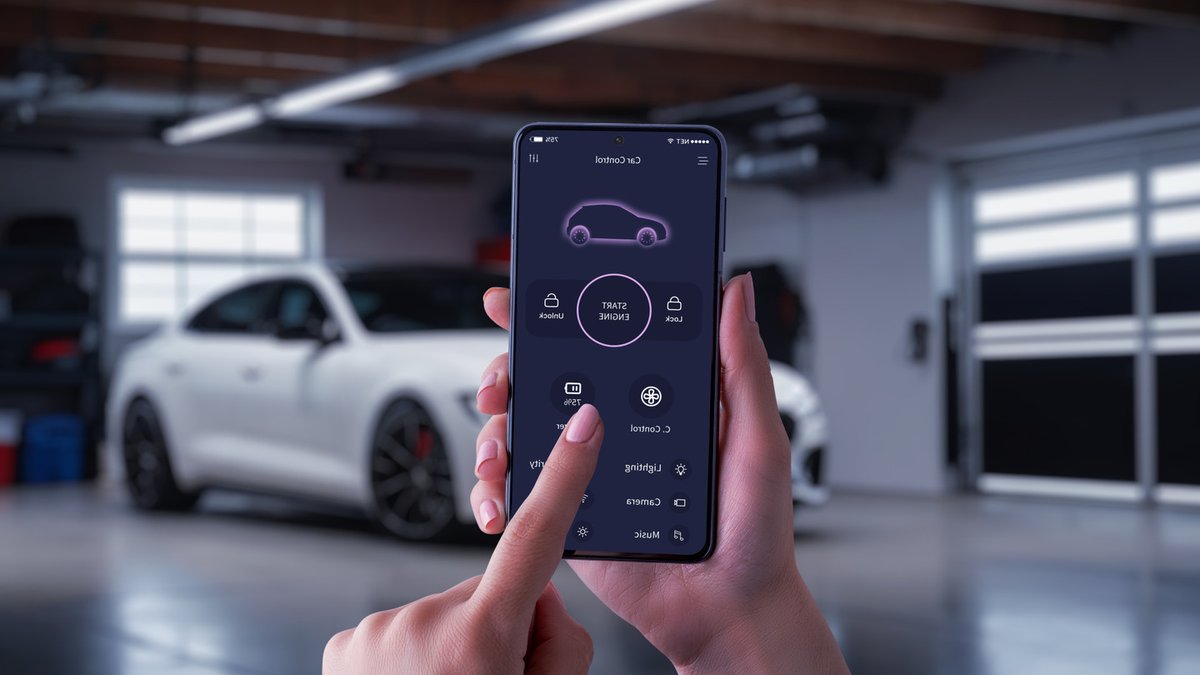
Remote car starters have been a staple for drivers who want a warm cabin in winter or a cool interior in summer, but the way they are sold and used is changing in 2026.
How factory‑provided remote start works and why it can cost more
Most new vehicles come with the hardware needed for the feature, but many manufacturers now hide it behind a subscription. Brands such as GM, Toyota, Subaru, Mazda, Honda and Nissan typically include a trial period that can last from a month up to three years, after which owners pay between $10 and $25 each month to keep the service.
That subscription translates to roughly $120 to $300 a year for a function already built into the car. Some automakers, including Ford, Lincoln, Jeep, Dodge, Tesla and Rivian, claim to offer app‑based control for up to ten years, but the details often depend on the specific model and the package the buyer selected.
For drivers who already pay for a connectivity plan, the extra fee may feel like an unnecessary add‑on. A key fob that can start the engine a short distance away still works, but many owners prefer the convenience of launching an app from anywhere. The monthly cost can add up quickly, especially for those who keep the vehicle for several years.
Related: xAI Sues Over Minnesota App Ban
Aftermarket alternatives: one‑time purchase versus ongoing fees
Aftermarket kits sold by companies such as Compustar, Viper and Python require a one‑time purchase and professional installation. The hardware typically starts at $150, and installation can double that amount, but the system remains functional without any recurring charges.
These kits generally support automatic transmissions and are compatible with most cars built after 2000. Manual‑transmission vehicles can be equipped as well, but they need extra safety features and are less common. Some brands charge extra for smartphone integration, yet even that cost is usually lower than a year’s worth of subscription fees.
Because the hardware is owned outright, owners avoid being locked into a service that could disappear or increase in price. The upfront expense can be justified by the long‑term savings, particularly for drivers who intend to keep their car for many years.
In practice, the aftermarket route also offers flexibility. If a driver decides to sell the vehicle, the remote starter can be transferred to the new owner, whereas a factory subscription typically ends with the original owner’s contract.
The market presents the same technology twice: once as a built‑in feature you pay to unlock, and again as an add‑on you buy outright. This duplication can confuse consumers who simply want their car to be comfortable when they get in.
Related: Widows Bay offers bold horror comedy twist
From a broader view, the shift mirrors trends in other automotive services where manufacturers move from free, bundled features to subscription models. The result is a clearer split between those who favor convenience and are willing to pay monthly, and those who prefer a one‑time purchase and control over their vehicle’s equipment.
Overall, remote car starters still deliver the core benefit of pre‑conditioning the cabin, which reduces cold‑start wear on the engine and improves driver comfort.
Whether the cost is justified depends on the vehicle’s age, the owner’s budget, and tolerance for recurring fees.
Convenient and reliable.

