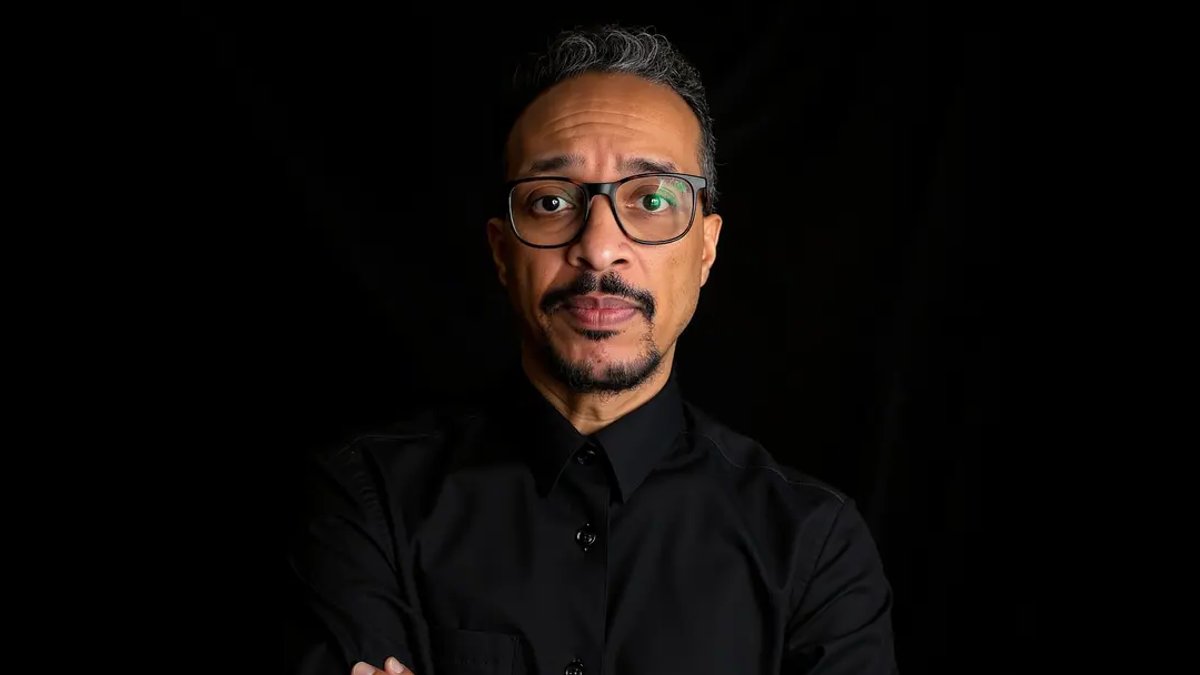
Zoho Canada is expanding its vertical approach to unify data infrastructure across municipal governments. Led by Gary Yorke, Public Sector Executive Director, the company aims to address challenges like privacy, security, and fragmented systems that hinder municipalities’ adoption of AI. Yorke, who oversees Zoho’s go-to-market strategy across municipal, provincial, and federal governments, emphasizes that while municipalities recognize AI’s potential, concerns about privacy, security, and fragmented infrastructure persist.
Bridging the Gap Between Residents and Governments
Yorke, who joined Zoho after leading customer experience for the City of Toronto, emphasizes the need to transform service delivery rather than overhaul systems. Zoho’s strategy focuses on integrating resident, agent, and governance perspectives into a unified 311 platform. In his previous role, Yorke oversaw the municipal 311 information line, which informs Zoho’s approach to building a platform that encompasses the resident’s experience, the agent’s interaction, and governance oversight of service requests. “Customer service is saying, ‘Okay, we’ve answered the phone in 50 seconds, so we must be doing a great job.’ Customer experience is understanding why they’ve called in the first place and trying to change the processes to ensure they don’t have to call back,” Yorke explained. This approach aligns with the concept of connected cities, where AI enables seamless interactions.
Overcoming Fragmentation with a Holistic Model
Municipalities often face division across departments, with each owning part of the resident experience. Zoho’s Municipal Experience Framework helps governments modernize processes rather than automate outdated ones. Yorke uses the analogy of a hand to describe this approach: “Each division can be different systems, but the hand is connected.” In Huron County, Zoho’s implementation streamlined funding application processing, improved reporting, and laid the groundwork for automated analytics.
A Zoho-published case study highlights that implementing nine Zoho apps across Huron County’s operations helped process 50 funding applications through automated workflows, enhance reporting and KPI visibility, and establish a stronger foundation for future automated analytics and decision-making. The platform replaced manual workflows, transforming PDFs and spreadsheets into CRM records with automated reporting.
Flexibility in Technology Integration
Zoho’s model does not mandate a single supplier. Municipalities can retain existing CRM or AI systems, provided they connect to Zoho’s Directory. This flexibility allows cities to leverage older, modern, or even competitor technologies while maintaining a unified infrastructure. Yorke highlights the balance between privacy legislation and operational efficiency. While laws like Ontario’s MFIPPA require secure, separate systems, foundational connections can still speed up processes without compromising security. He notes that fragmentation is necessary for privacy and security but advocates for a holistic approach where systems remain connected at a foundational level.


