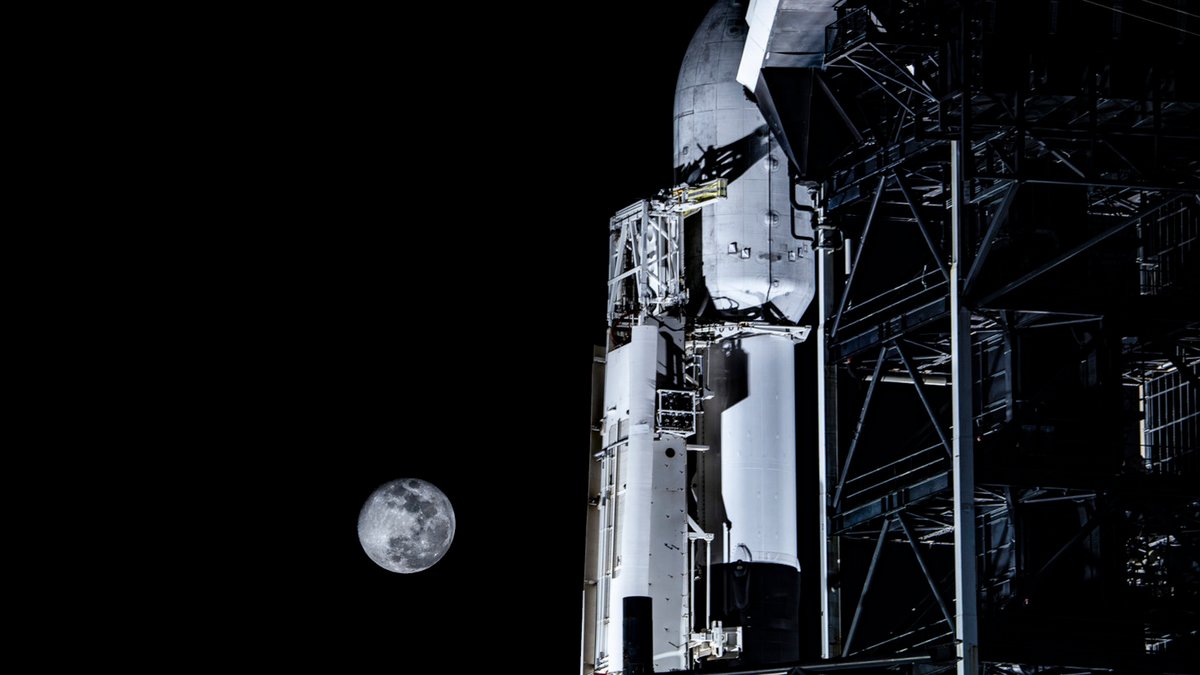
SpaceX’s Falcon 9 rocket reportedly impacted the Moon on Aug. 5, confirming a prediction made by independent astronomer Bill Grey earlier this year.
Observations suggest impact occurred
Planetary scientist Carl Schmidt of Boston University’s Center for Space Physics told the outlet that the Very Large Telescope in Chile detected a plume of sodium and lithium gas, a sign the collision had taken place. He said the plume measured “10’s of kilometers in size” and persisted for five to ten minutes.
Because the event happened on the sunlit side of the Moon, professional and amateur observers could not directly see the impact. The brightness in that region overwhelmed telescopic imaging, reporters noted.
Despite the visibility challenges, instrument readings and the detected plume provide strong evidence that the four‑ton upper stage struck the lunar surface at roughly 5,400 mph.
Related: Meta apps show illegal child content ads
Potential crater and imaging attempts
NASA estimates the impact created a crater about 60 feet wide and 12 feet deep. The agency’s Lunar Reconnaissance Orbiter, together with South Korea’s Korea Pathfinder Lunar Orbiter, will try to capture images of the site. Success depends on lighting conditions and the timing of orbital passes, and it may take several days for the data to be downlinked.
The crash marks a rare instance of a human‑made object reaching the Moon unintentionally. While meteoroids regularly strike the lunar surface with comparable energy, deliberate disposal of spacecraft components on the Moon is not common practice.
SpaceX explained that the Falcon 9’s upper stage originated from the Jan. 15, 2025 “Blue Ghost” mission, which delivered two lunar landers into orbit. In a statement on its X platform, the company noted that most missions aim for a controlled deorbit over the ocean, but higher‑energy lunar transfers prioritize payload placement, leaving little margin for a safe return maneuver.
The company added that solar activity and lunar gravity guided the stage to the Moon, a scenario that highlights the complexities of managing space debris in deep‑space missions.
Related: Gemini Spark Gains Chrome Web‑Browsing Capability
The incident raises safety questions.
From a practical standpoint, the event illustrates the trade‑offs engineers face when allocating fuel for mission objectives versus end‑of‑life disposal. For crews and scientists planning future lunar operations, the crash serves as a reminder that even well‑planned trajectories can be altered by unpredictable space weather, potentially affecting surface conditions and future landing sites.
NASA has stated that disposing of upper stages on the lunar surface is an accepted practice when other options are limited. The agency emphasized that such disposal methods are considered safe, especially for missions operating in low lunar orbit where controlled re‑entry is not feasible.
As the orbiters work to locate the impact site, the data gathered may inform guidelines for future missions, balancing mission success with the need to mitigate debris hazards on the Moon.


