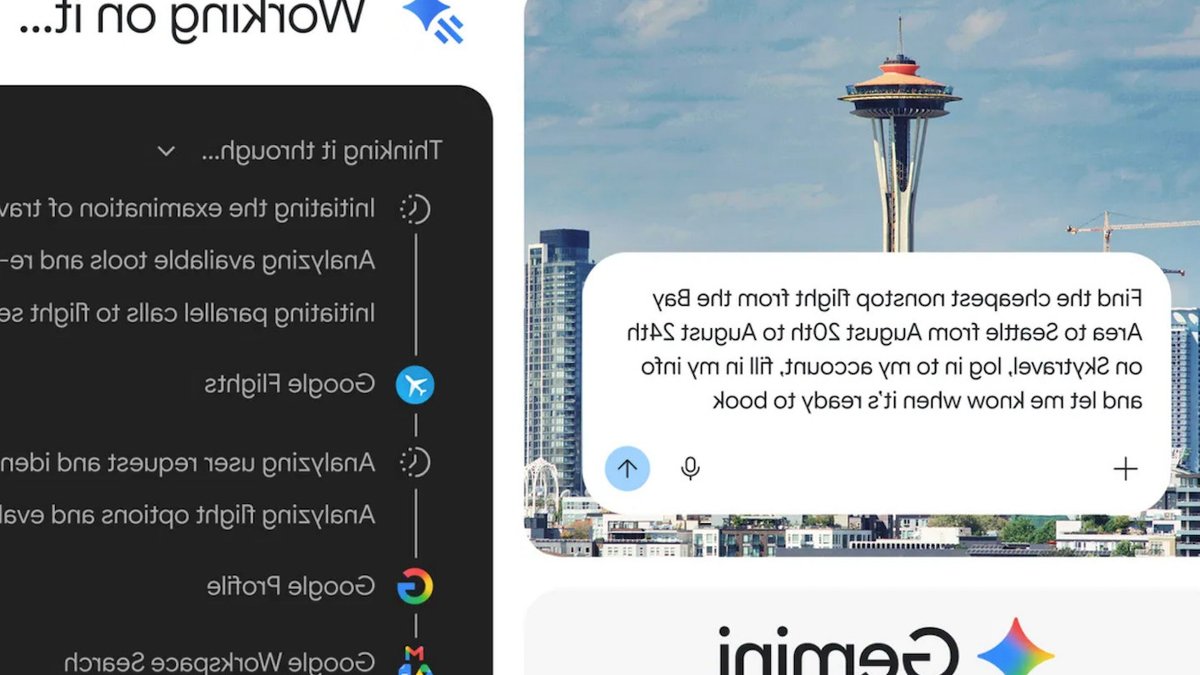
Google’s Gemini Spark AI assistant now works directly with the Chrome browser, allowing the model to perform web‑based tasks while using a user’s logged‑in accounts and saved passwords.
How the integration works
When a user signs into Chrome, Spark can access the same credentials to carry out routine online activities. Google describes the capability as a way to “handle tedious web errands,” citing examples such as researching flight options and beginning the booking process. The assistant can also schedule viewings of apartments, according to the brief use‑case list.
Unlike earlier AI tools that required users to manually copy and paste information, Spark can browse sites automatically. The system stops short of completing payments, instead handing the final checkout step back to the user for review.
Safety measures and limitations
Google acknowledges the risks of granting an AI access to personal login data. The company says it has built “a layered defense that includes both deterministic and probabilistic defenses” to deter prompt‑injection attacks, where malicious code could otherwise coerce the assistant into unwanted actions such as initiating financial transactions or extracting sensitive data.
Related: Essential USB Adapters to Keep Now
Specifics about these safeguards have not been disclosed. Google notes that Spark will not finalize purchases on its own, a precaution meant to keep users in control of any monetary transaction.
The feature is currently rolling out in the United States, with plans to expand to additional regions. At the same time, Google has widened access to Gemini Spark for Google AI Pro subscribers in more than 160 countries, and the assistant now integrates with the broader suite of Workspace applications.
Privacy remains essential.
For many users, the convenience of having an AI handle repetitive browsing steps could free up time, but the trade‑off between ease and privacy remains a point of discussion. The ability to leverage stored passwords means the assistant must be trusted not only with data but also with the decision‑making processes that follow. As AI assistants become more embedded in everyday workflows, the balance of utility versus security will likely shape adoption rates.
Related: Nvidia uses AI to speed chip design
What this means for everyday users
Early adopters can expect Spark to suggest flight itineraries, pull price comparisons, and draft initial booking forms, all while remaining logged into travel sites. Those looking to rent or buy property might find the assistant useful for coordinating viewing appointments, though the service currently offers no deeper integration with real‑estate platforms.
Google has not yet detailed how Spark will handle other common web tasks, such as managing subscriptions, updating personal information, or interacting with banking portals. The outreach to reporters for more information has so far yielded no additional comments, and the feature’s full capabilities remain to be seen.
Overall, Gemini Spark’s new Chrome integration marks a step toward more autonomous AI assistance on the web, but users should remain aware of the underlying security considerations and the limited scope of tasks the assistant can complete without direct oversight.


